
Nursing Home Bedsore Attorney
When a Pressure Injury May Point to Nursing Home Neglect
A bedsore, also called a pressure ulcer, pressure injury, pressure sore, or decubitus ulcer, develops when sustained pressure damages skin and underlying tissue. These injuries often affect residents with limited mobility who rely on nursing home staff for repositioning, skin monitoring, nutrition, hygiene, and wound care.
Many pressure injuries can be prevented with appropriate care, but not every bedsore automatically proves neglect. Federal nursing home rules recognize that some pressure ulcers can be clinically unavoidable. The important question is whether the facility properly assessed the resident's risk, provided preventive care consistent with professional standards, responded when skin breakdown appeared, and adjusted the care plan as the resident's condition changed.
At McHugh Fuller Law Group, we represent families nationwide in nursing home abuse and neglect cases. For more than 20 years, our attorneys have challenged facilities, medical providers, corporations, and national defense firms when vulnerable people were harmed.
If your loved one developed a bedsore in a nursing home or long-term care facility, call us at (601) 255-0240 for a free case review.
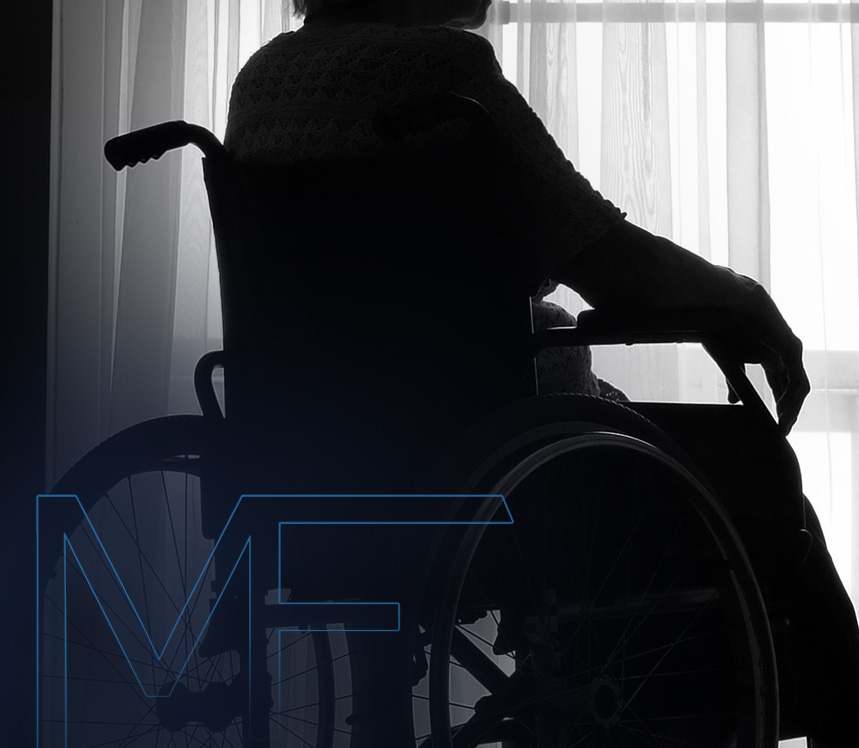

because they deserve to be heard
We fight for the rights of those who cannot fight for themselves. Let us help you.

Does a Bedsore Automatically Mean a Nursing Home Was Negligent?
No. A pressure injury can be an important warning sign, especially when a wound develops or worsens after a resident enters a facility, but liability depends on the care provided and the law that applies to the case.
The federal standard focuses on prevention, treatment, and whether a pressure ulcer was clinically unavoidable. A legal investigation may examine whether the nursing home identified known risk factors, created an appropriate care plan, carried out that plan consistently, monitored the resident's skin, and responded promptly when a wound appeared.
State law also matters. The elements of a civil nursing home neglect claim, filing deadlines, available damages, and who may bring a claim can differ from one jurisdiction to another. A nationwide service page should not treat every bedsore case as legally identical.
Families looking for broader information about facility neglect can also review our nursing home abuse and neglect practice.

meet your advocates.
Founding attorneys Jim McHugh and Mike Fuller have gone up against hospitals, corporations, and national defense firms - and won. Their work has led to millions recovered and real accountability.


Records That Can Help Explain What Happened
Pressure-injury cases are often document-heavy. Depending on the facts, attorneys may review records such as:
- Admission assessments and pressure-injury risk assessments
- Care plans and changes to those plans
- Nursing and certified nursing assistant notes
- Repositioning or turning documentation
- Skin assessments and wound-care records
- Physician and wound-care provider orders
- Nutrition and hydration records
- Hospital records showing the condition of the wound after transfer
- Staffing schedules, time records, or other staffing data
- Photographs and other documentation showing how the wound progressed
These records may help establish when a wound was first identified, whether the resident's risk was recognized, what preventive measures were planned, whether those measures were documented, and how the facility responded as the wound changed.
When appropriate, nursing, wound-care, medical, or other qualified professionals may also be needed to evaluate whether the care met applicable standards and whether an alleged failure contributed to the injury.
What Families Can Do After Discovering a Bedsore
The first priority is the resident's health. Ask appropriate medical professionals to evaluate the wound and address treatment needs, particularly if the injury is worsening or there are signs of infection or other complications.
Families can also preserve useful information by documenting when they first learned about the wound, what the facility said about it, and who was involved in those conversations. Photographs may help document the wound's appearance over time when they can be taken appropriately and safely.
You can also request the resident's medical and facility records. Those records may contain skin assessments, care plans, wound notes, risk scores, treatment orders, and other information that helps reconstruct what happened.
Be careful about drawing legal conclusions from a wound stage alone. A Stage 3 or Stage 4 injury can be extremely serious, but the viability of a neglect claim still depends on the evidence, the resident's clinical condition, and the law of the state where the claim arises.
-
How Much Does It Cost To Hire An Attorney?You don’t pay us any fees up front. We work on a contingency fee basis which means we only get paid if we win.
-
How Do I Know If I Have A Case?If you think you may have a case, please reach out and give us a call or contact us through our website anytime. At McHugh Fuller, we don’t believe in automated answering machines, you’ll always talk to a real person.
-
How Long Does The Process Take?Every case is different, but lawsuits often take years depending on the complexity of and willingness of the defendant to settle.

get the legal voice you and your family deserve.
More Than 20 Years Taking on Nursing Homes and Powerful Institutions
McHugh Fuller Law Group has spent more than two decades representing vulnerable people and their families. The firm's published record includes more than a thousand successfully resolved cases, a $91.5 million wrongful death verdict, more than $100 million in combined verdicts, and a $1.2 million arbitration result in a nursing home abuse matter.
Founding attorneys Jim McHugh and Mike Fuller have taken on hospitals, corporations, and national defense firms. The firm also states that it prepares cases for trial and has decades of combined trial experience.
McHugh Fuller has been featured in national media and legal publications including Time, CNBC, ABC, NPR, The Wall Street Journal, and The Hill. The firm represents nursing home abuse and neglect clients nationwide while evaluating each matter under the state-specific law that applies.
These results and recognitions do not predict the outcome of any individual bedsore case. They demonstrate the firm's experience handling serious claims against institutional defendants.


Because your loved ones deserve the best
-
Proven Track Record
Successfully resolved more than a thousand cases for our clients
-
$91,500,000 Verdict Wrongful Death Case
Lawyers with over $100 Million in combined verdicts
-
Trial Lawyers Here to Help
Decades of combined experience taking cases all the way to trial, if necessary
-
 $1.2 Million Arbitration Nursing Home Abuse
 -
$91,500,000 + Verdict Wrongful Death Case


Get a Free Review of Your Loved One’s Bedsore Case
If someone in your family developed a pressure ulcer in a nursing home or long-term care facility, we want to hear what happened. A free, no-obligation consultation with our attorneys can help you understand whether the facility failed in its duty of care and what options may be available to your family.
We handle nursing home neglect cases on a contingency-fee basis. You pay nothing upfront, and no fees are owed unless we recover compensation for you. Call (601) 255-0240 today to speak with a bedsore attorney about your case.

Featured In National Media & Legal Publications