
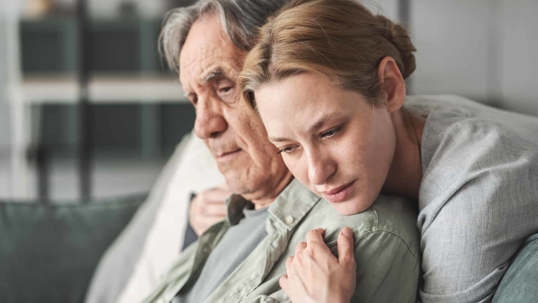
When a nursing home calls to say that your parent or loved one has fallen, one detail can make an already troubling situation even more concerning: no one saw it happen.
An unwitnessed nursing home fall does not automatically mean that no one can be held responsible. The more important question is whether the facility recognized the resident’s fall risk and took reasonable steps to prevent a foreseeable injury.
At McHugh Fuller Law Group, we have spent more than 20 years holding nursing homes and healthcare facilities accountable when failures in care contribute to serious injuries. In an unwitnessed fall case, determining what happened often requires looking beyond the moment of the fall and examining the care the resident received beforehand.
Why an Unwitnessed Fall Can Raise Questions About Neglect
Nursing homes have a responsibility to provide residents with appropriate supervision and assistance based on their individual needs. Federal regulations require facilities to keep resident environments as free from accident hazards as possible and provide adequate supervision and assistive devices to help prevent accidents.
For residents at risk of falls, additional precautions are required. Depending on the resident, appropriate interventions could include assistance with transfers, mobility devices, more frequent monitoring, or other measures identified in an individualized care plan.
An unwitnessed fall can raise important questions when the resident was already known to have balance problems, mobility limitations, dementia, a history of previous falls, or medications that increased the risk of falling.
If those risks were documented but appropriate precautions were not followed, the lack of an eyewitness does not necessarily prevent a family from pursuing a nursing home negligence claim.
What Evidence Can Show How an Unwitnessed Fall Happened?
Nursing home fall cases often depend heavily on documentation.
A resident’s fall-risk assessments and care plans may show what the facility knew about the risk of injury. Staffing records may help determine whether enough employees were available to provide the supervision required by the resident’s plan. Medication records can identify drugs that may have affected balance or awareness.
Records involving previous falls can be especially important. If a resident had already fallen or repeatedly attempted to move without assistance, the nursing home may have had notice that additional precautions were necessary.
Surveillance footage may also provide useful evidence. Even when a camera does not capture the fall itself, footage from a hallway or common area may help establish how long a resident was unsupervised or how quickly employees responded after the fall.
Together, this evidence can provide a clearer picture of the circumstances surrounding an unwitnessed nursing home fall.
Can a Nursing Home Blame the Resident for Falling?
Families sometimes hear that their loved one got out of bed without asking for assistance or attempted to walk despite being told to wait for staff.
But nursing home residents may have dementia, confusion, cognitive impairments, or other medical conditions that make it difficult to remember or follow instructions. Those conditions can make careful supervision more important, not less.
For example, if staff knew that a resident with dementia repeatedly attempted to get out of bed alone, that behavior may have been foreseeable. The resident’s care plan should reflect known risks and identify appropriate interventions.
A facility cannot simply identify a serious fall risk on paper and then ignore the precautions needed to address it.
When Can an Unwitnessed Nursing Home Fall Lead to a Negligence Claim?
Not every nursing home fall is caused by negligence. Liability generally depends on whether the facility failed to provide reasonable care and whether that failure contributed to the resident’s injuries.
Potential concerns include inadequate supervision, failure to follow a fall-prevention plan, insufficient assistance with transfers or toileting, failure to respond to prior falls, or staffing issues that prevent residents from receiving necessary care.
Serious falls can cause hip fractures, traumatic brain injuries, hospitalization, loss of mobility, and other complications that dramatically affect an older person’s health and independence.
When no one witnessed the fall, it becomes particularly important to investigate what happened. The answer may be found in the facility’s own records, staffing practices, care planning, and history of responding to the resident’s known risks.
Understanding What Happened After an Unwitnessed Nursing Home Fall
“No one saw it” should not be the end of the explanation when a vulnerable nursing home resident suffers a serious injury.
For more than two decades, McHugh Fuller Law Group has represented families in nursing home abuse and neglect cases involving preventable injuries and failures in care. If your loved one suffered an unwitnessed fall and you have questions about whether the nursing home provided appropriate supervision, our attorneys can help you understand what the evidence may show and what options may be available.